Bridging the STEM Gap for Georgia's Youth
STEM Skills Are in High Demand[1]
STEM careers are growing much faster than most fields. By 2033, the U.S. Bureau of Labor Statistics projects:
Projected increase in STEM jobs
Median STEM wages, well above the national average
In Georgia, some STEM careers are considered “hot jobs” because they offer strong growth, high salaries, and plenty of opportunities. Explore a few examples below:[2]
These careers are just a few examples of the many opportunities available in Georgia’s growing STEM economy.
Too Many Georgia Students Are Still Falling Behind[3]
Despite the opportunities in STEM, far too many students aren’t being equipped to pursue them. In 2024, only:
of 5th graders reached science proficiency on the Georgia Milestones assessment
This isn’t just a learning gap; it’s an opportunity gap. And it’s costing Georgia future innovators, leaders, and change-makers.
Learning Happens Beyond the Classroom[4]
Students spend the majority of their waking hours outside of school. Afterschool time is a powerful window for hands-on, curiosity-driven learning.
of student's waking hours are spent outside of school
High-quality afterschool STEM programs have been proven to boost: [5]
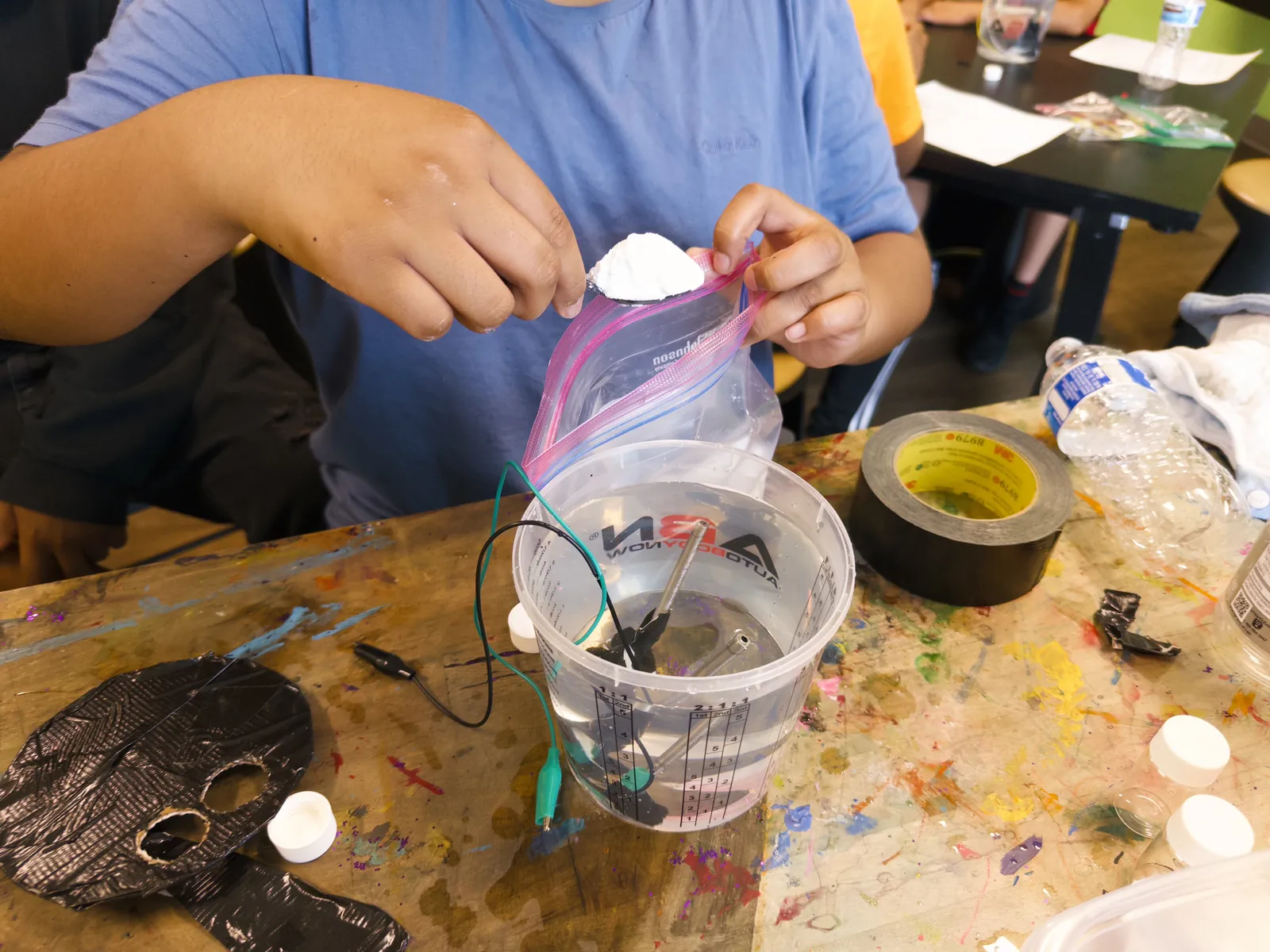
STEM Interest and Identity
Fostering a passion for science, technology, engineering, and math, and building a sense of belonging in STEM fields.
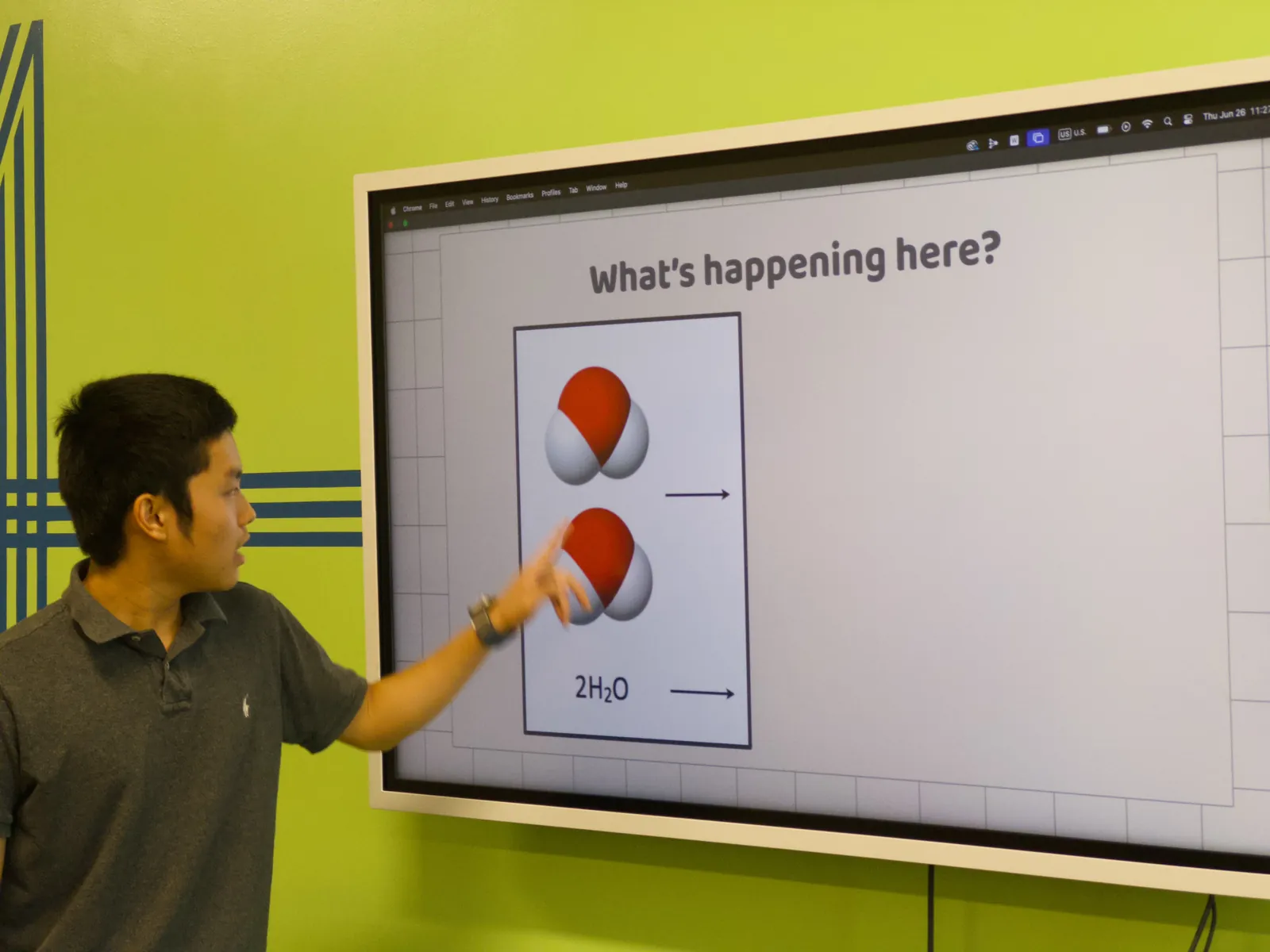
Career Awareness and Readiness
Developing awareness of STEM careers and building skills necessary for future academic and professional success.
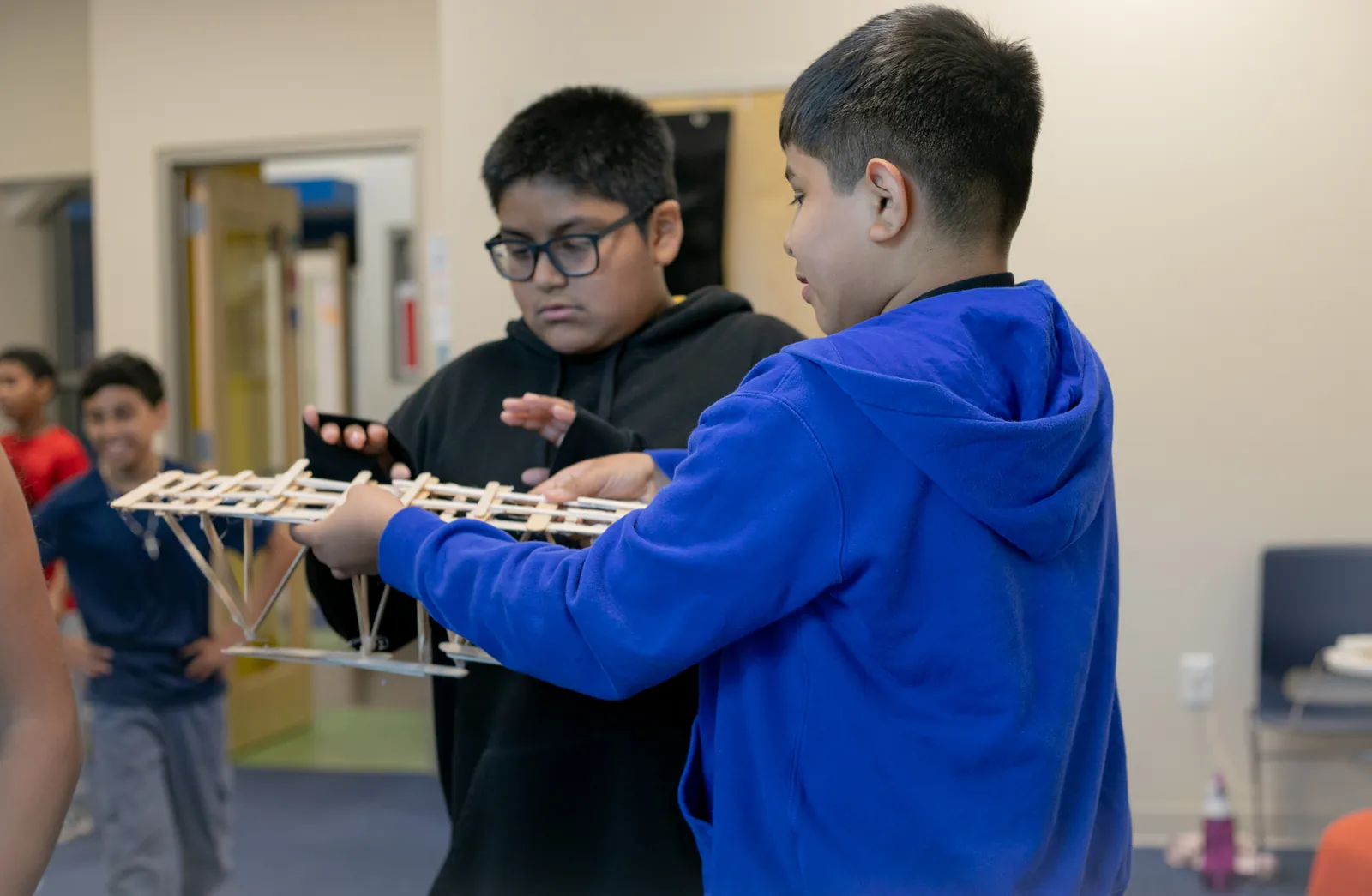
Problem-Solving and Perseverance
Encouraging creative problem-solving, resilience, and persistence in the face of challenges.
For example:
We’re Working Towards Closing the Gap[8]
Wealthier families invest over 3.5x more in out-of-school enrichment than lower-income families. This is how STEM access gaps widen.
Spent by lower-income families
Spent by higher-income families
RISE is tackling this divide by making engaging, hands-on STEM learning accessible to everyone.
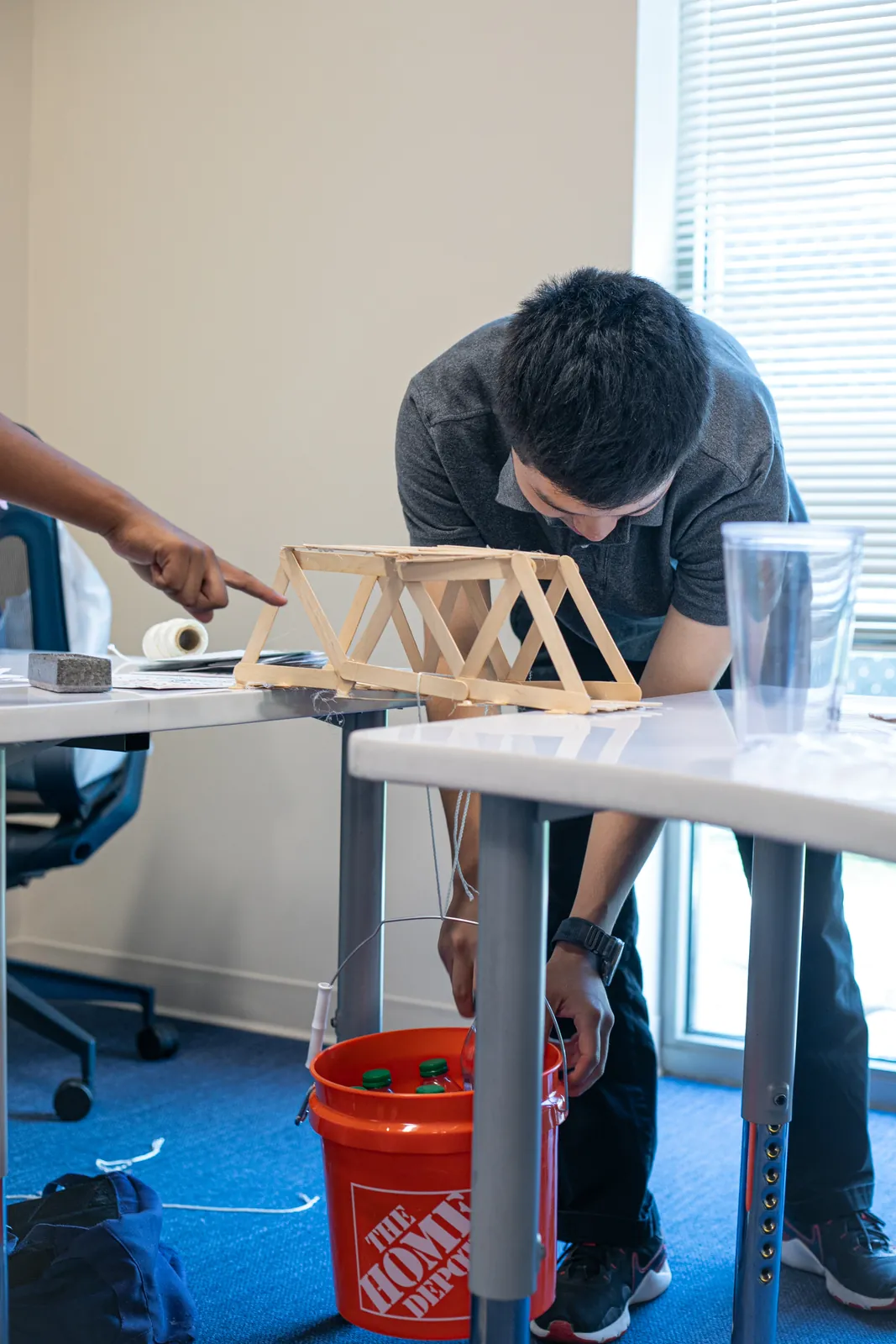
- Helping kids discover their passion for STEM
- Making STEM exciting and easy to understand
- Building real-world skills that lead to college and careers
Let’s stop letting potential go untapped. Let’s build a Georgia where every kid sees themselves in STEM.
Sources
- U.S. Bureau of Labor Statistics. STEM Occupations Employment Projections. bls.gov ↩
- Georgia Department of Labor. Hot STEM Jobs Report. gdol.ga.gov ↩
- Georgia Department of Education. Georgia Milestones Data Dashboard, 2024. georgiainsights.gadoe.org ↩
- Banks et al. Diversity in Learning Outside of School. life-slc.org ↩
- Afterschool Alliance. Students Learn More with Afterschool STEM. April 2018. PDF ↩
- NSTA. Connected Science Learning – Science Club. nsta.org ↩
- The Clubhouse Network. theclubhousenetwork.org ↩
- American Sociological Association. Income Inequality is Changing How Parents Invest in Their Kids. asanet.org ↩